
At what age can children start Pilates? What benefits may it offer, and when should parents consider it? Core Pilates explores these questions below.
Can children practice Pilates?
Yes, children can practice Pilates when the program is designed for their age, physical condition and movement capacity.
Pilates for children should not simply mean asking them to perform exercises intended for adults.
Children's bodies are still developing. Attention span, strength, coordination and body awareness also vary with age.
Pilates for children should therefore prioritize:
- Movements suited to their developmental stage.
- Simple, easy-to-understand exercises.
- Moderate intensity.
- Avoiding movements beyond the child's ability.
- Making movement enjoyable and engaging.
- An instructor who understands movement and knows how to work with children.
The most important goal is to help children build a positive relationship with physical activity.
Is Pilates suitable for young children?
This depends on each child's age, movement capacity and goals.
Young children may not be able to control movements or sustain attention as long as adults. Their sessions may therefore need to be designed very differently from adult Pilates sessions.
Instead of a long sequence of movements, instructors can use short, easy-to-understand exercises combined with interactive activities.
For older children, as attention and body awareness develop, programs can gradually become more structured and challenging.
What benefits may Pilates offer children?
With appropriate instruction, Pilates can help children develop a range of physical skills.
1. Supporting strength development
Children need strength for everyday activities such as running, jumping, climbing, playing sports and maintaining positions during movement.
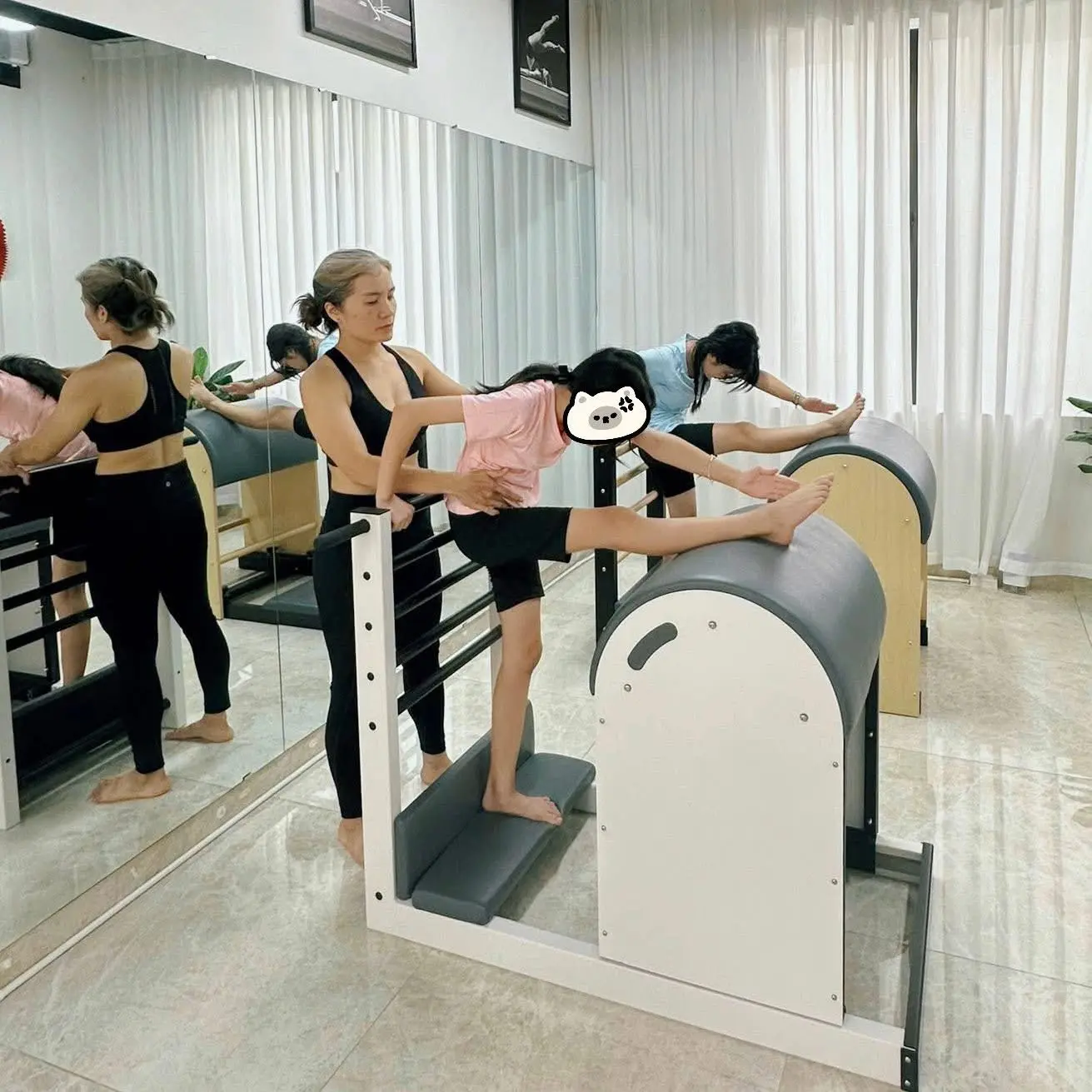
Appropriate Pilates exercises can help children become familiar with using and controlling different muscle groups.
The aim is to develop an age-appropriate movement foundation, rather than build muscle as adults might.
2. Developing balance
Balance is an important part of children's movement development.
Exercises that involve keeping the body stable, shifting weight or coordinating several body parts offer opportunities to develop balance.
These skills are also used in many everyday activities and sports.
3. Improving coordination
A movement requires children to coordinate several elements: eyes, hands, feet, trunk, balance and attention.
Pilates can incorporate these elements into simple exercises, gradually helping children learn to move with intention.
4. Developing body awareness
An important aspect of Pilates is learning to notice where the body is and how it is moving.
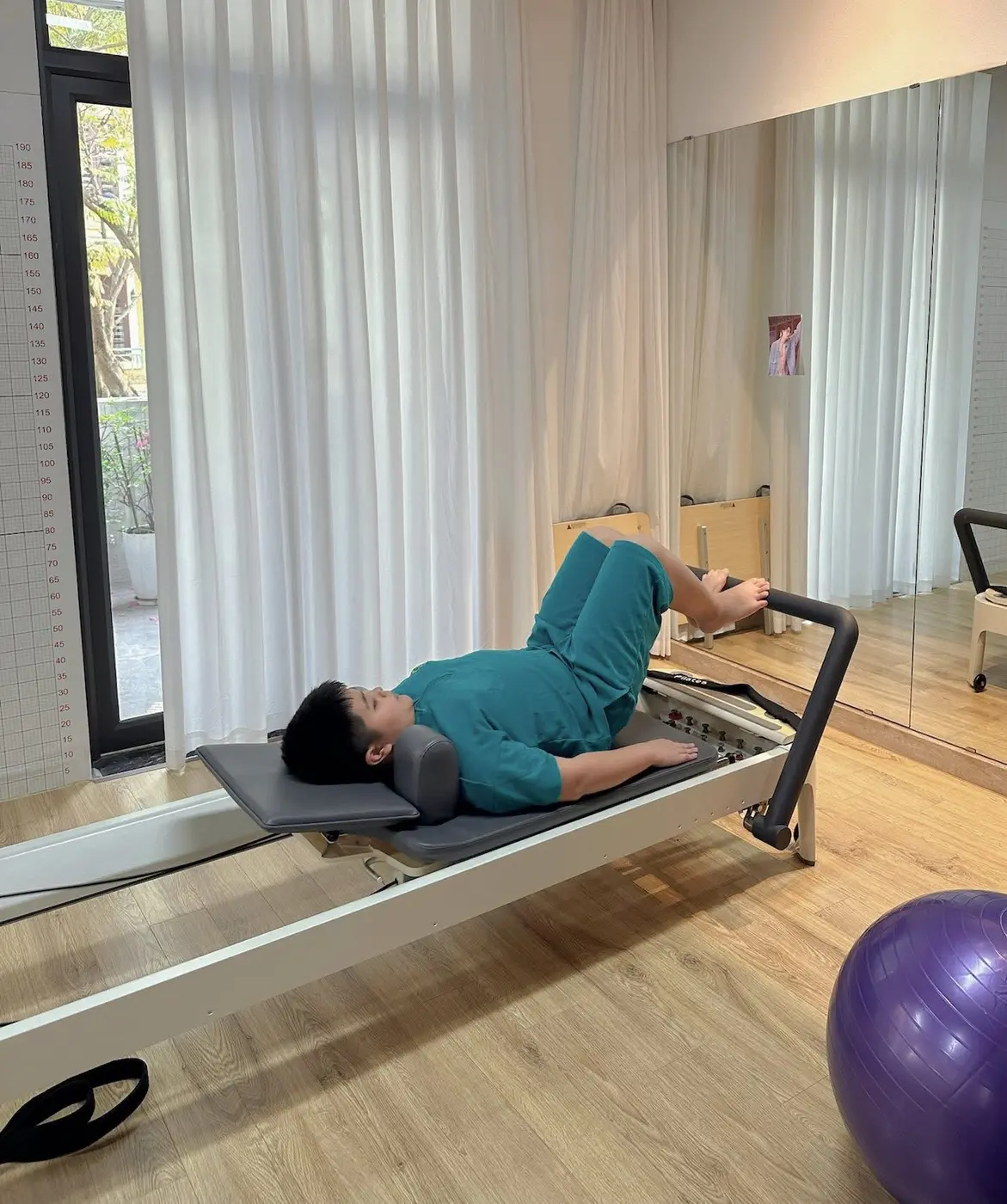
For children, this can be explored through simple questions:
- How are you standing?
- Where are your feet?
- Can you keep your balance?
- Does your trunk move when you move your arms?
- Can you slow your movement down?
Understanding the body better is an important part of movement development.
5. Improving posture
Through practice, children can become more aware of posture and movement. Instructors observe concerns to discuss with parents, but do not diagnose flat feet, kyphosis or medical conditions. If there is a concern, parents should seek a medical assessment and appropriate guidance.
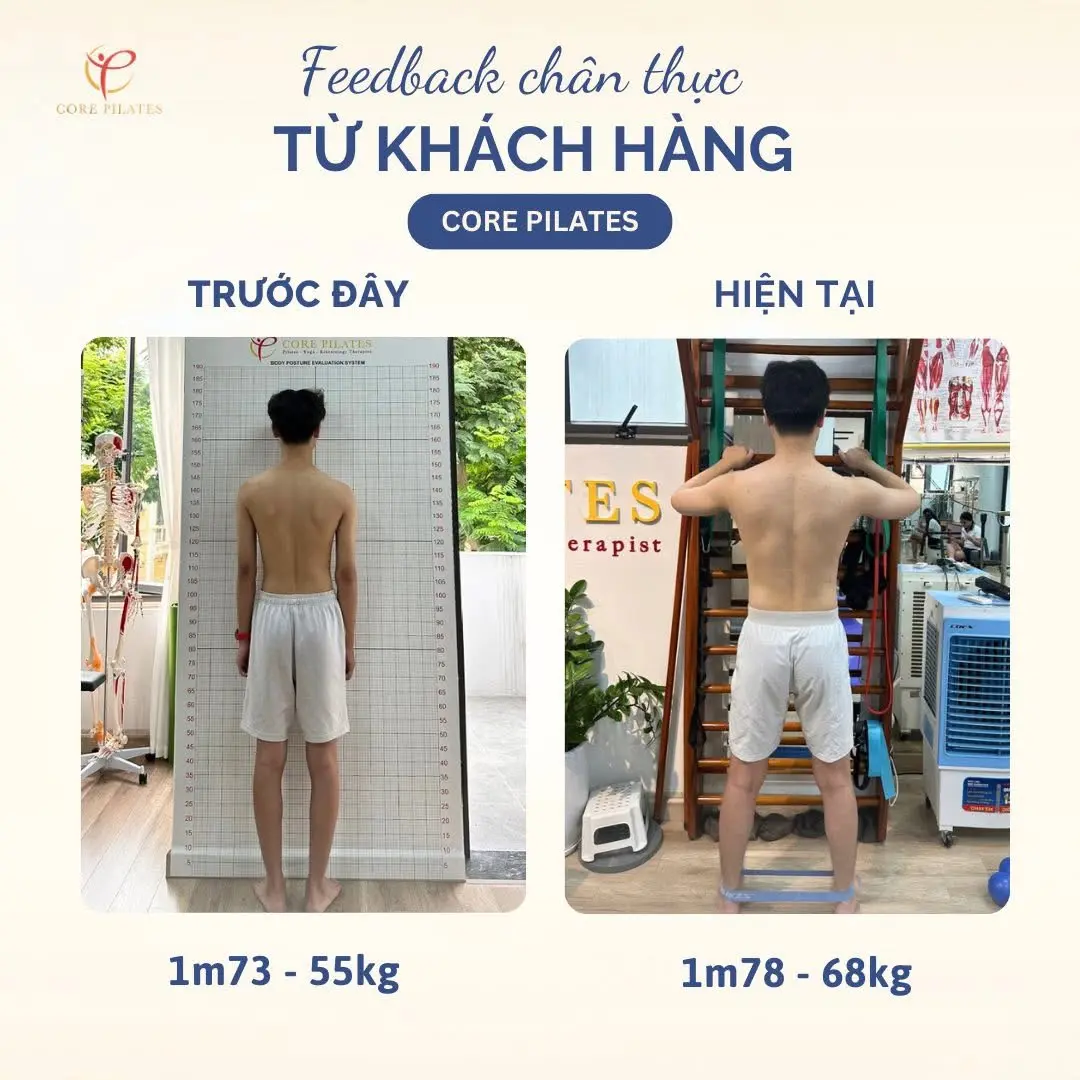
For structural concerns or medical conditions, children should be assessed by a doctor or appropriate specialist before a suitable exercise program is developed.
How important is the instructor in children's Pilates?
The instructor's role is particularly important for children, whose attention, communication, ability to follow instructions and body control vary widely.
An instructor working with children needs to know how to:
- Observe the child's movement.
- Give age-appropriate instructions.
- Adapt exercises to the child's ability.
- Recognize fatigue or a loss of attention.
- Create a positive training environment.
- Put safety first.
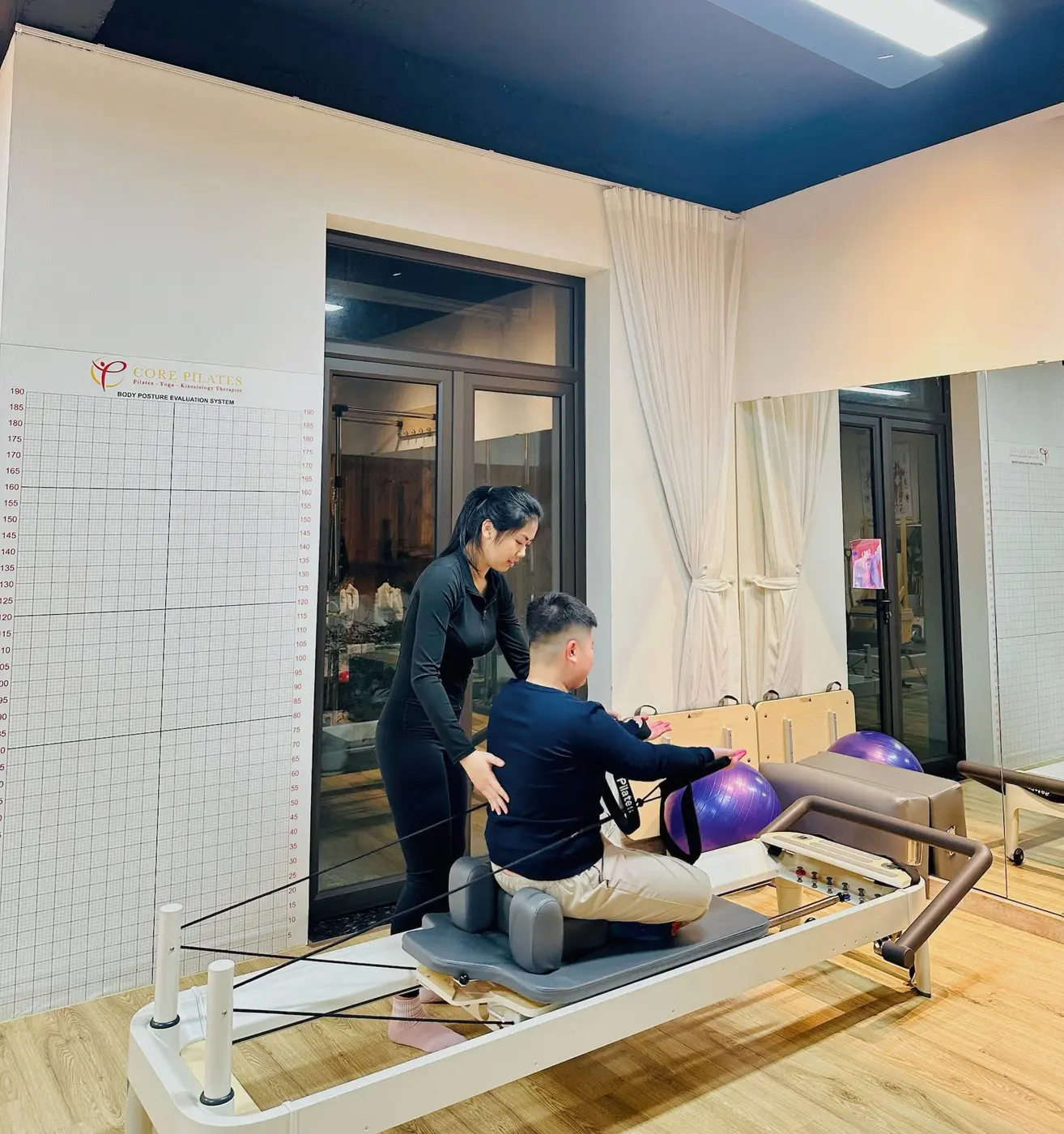
In particular, instructors should know when to stop or change an exercise, rather than insist on completing the program at any cost.
What should parents consider when choosing Pilates for their child?
1. Do not force a reluctant child to train
A positive experience of movement matters more than completing every exercise.
2. Do not pursue difficult movements for their own sake
Children do not need complex exercises to prove their ability.
3. Do not compare your child with others
Children develop at different rates and have different movement capacities.
4. Do not train when your child is in pain or unwell
If a child feels pain, dizziness, discomfort or unusual symptoms, stop the session and assess the cause.
5. Choose an instructor experienced in working with children
Experience teaching adults does not automatically mean experience teaching children.
Pilates Kids at Core Pilates
At Core Pilates, instruction respects each child's ability and pace of development.
Rather than aiming for difficult movements, the program helps children:
- Become comfortable with movement.
- Improve their focus on movement.
- Develop foundational strength.
- Practice balance and coordination.
- Develop body awareness.
- Build a positive attitude toward physical activity.
Instructors need patience and flexibility because every child has a different personality, attention span and interest in movement.
For young children, a good session means more than doing exercises correctly: it also means feeling confident, happy and eager to keep moving.
If you are considering Pilates for your child, prioritize an environment with instructors who understand children, individualized programs and a commitment to safety and enjoyment ahead of performance.
General benefits of physical activity do not constitute a promise to treat conditions or increase height. Programs for children require supervision and adaptation to their ability. For resistance-training safety principles, see the American Academy of Pediatrics (AAP); this is not a Pilates-specific guide for every age group.
Find a suitable class at Core Pilates
Discuss your physical condition, movement history and goals with Core Pilates to receive advice on a suitable program.