
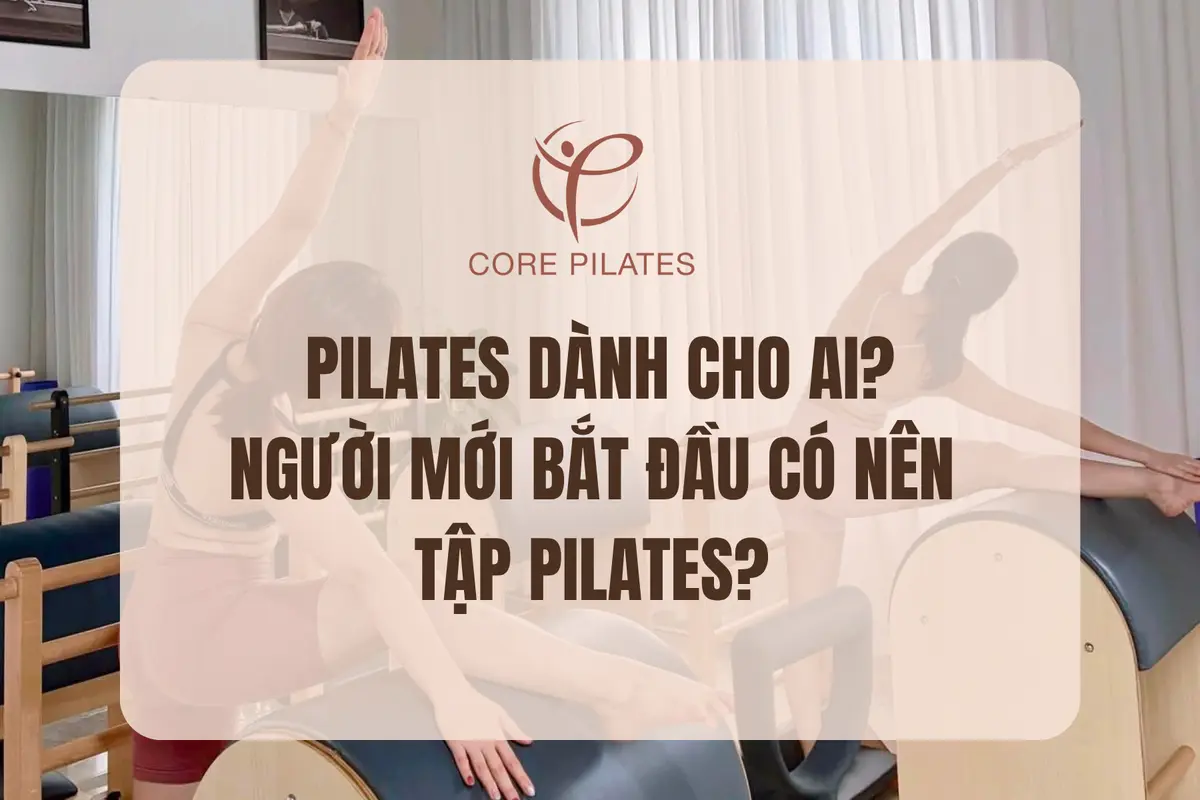
Never tried Pilates, not feeling fit or looking for a gentle form of movement that can still build strength? Pilates is worth exploring because exercises, equipment and instruction can be adapted to each person's ability.
The priority is to learn body control, coordinate breathing and move in ways suited to your current physical condition, rather than start with difficult exercises.
What is Pilates?
Pilates is an exercise method focused on movement control, breathing, stability, muscular strength and whole-body coordination. Rather than prioritizing repetitions or high intensity, it emphasizes the quality of each movement and how the body maintains alignment during exercise.
Pilates can be practiced on a mat or with specialized equipment such as a Reformer. Exercises can be adapted from beginner to advanced levels according to goals and movement capacity.
The NHS describes Pilates as a form of exercise focused on balance, posture, strength and flexibility, with guidance for people who have not practiced before. You can read more in the NHS beginner's guide to Pilates.
Who is Pilates for?
Pilates is not only for people who are already fit. With appropriate exercise selection and adaptations, different groups can start according to their own goals.
1. People new to exercise
If you have never tried Pilates, are not used to physical activity or have taken a long break, you can start with basic exercises. Initially, focus on breathing, alignment and movement control, then gradually increase the challenge.
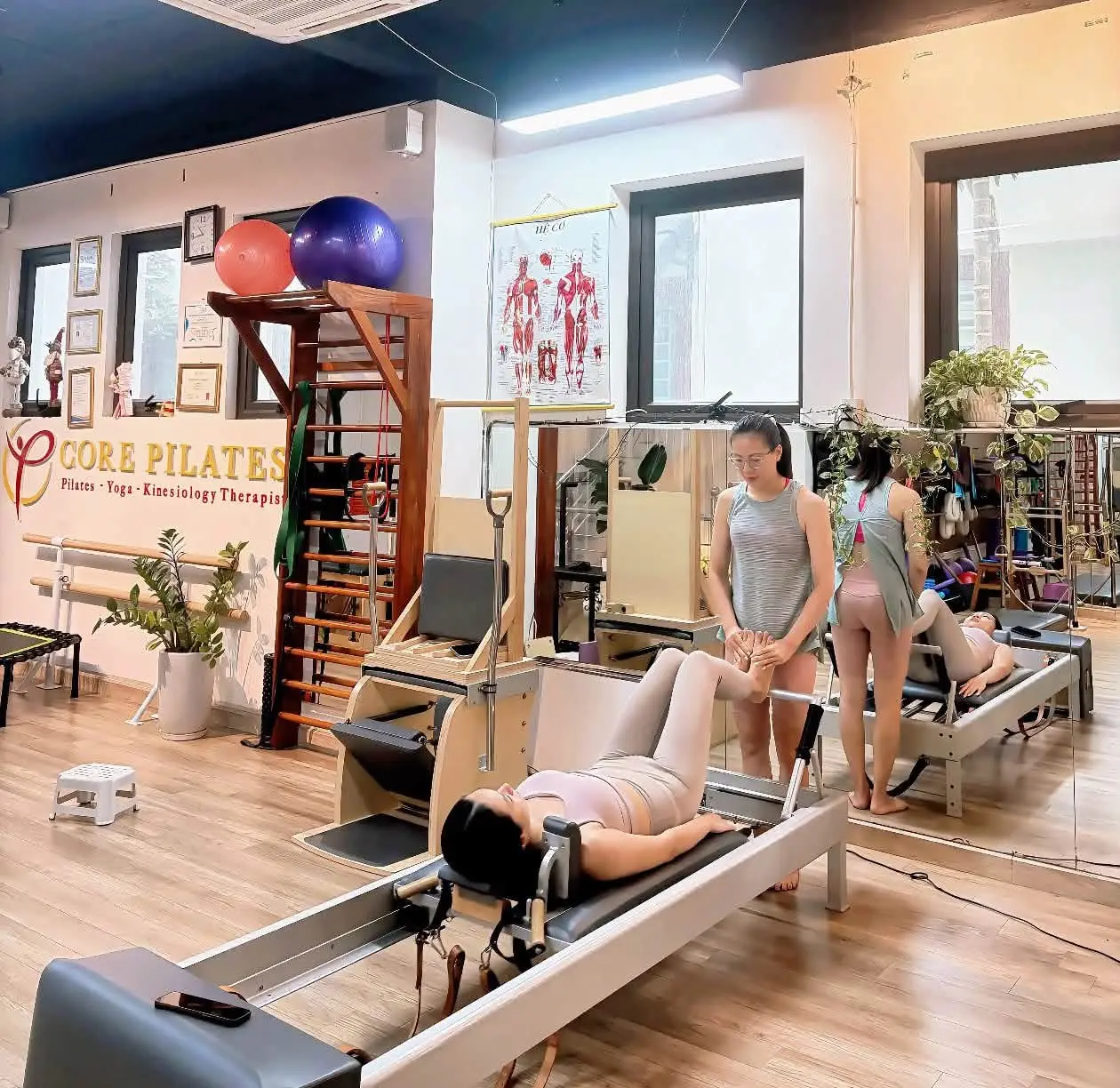
2. Less active people and office workers
People who sit at work or spend a lot of time at a computer can use Pilates as an additional form of activity. Exercises emphasize the core, flexibility, coordination and postural control to support more balanced movement.
Pilates should not be your only form of activity. An active lifestyle also involves other suitable activities and appropriate rest.
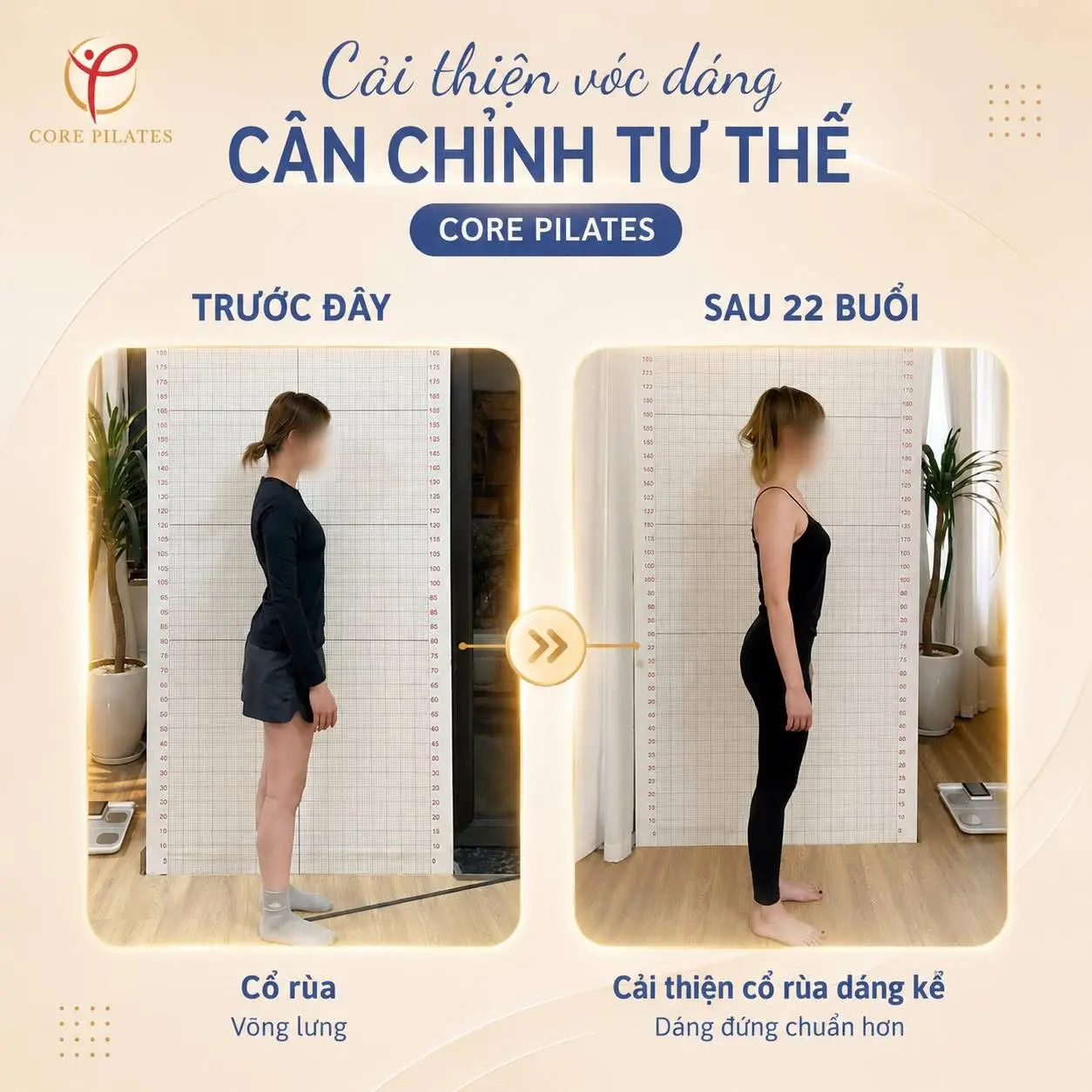
3. People seeking better posture and body control
Posture involves more than standing or sitting upright. Controlling the position of the head, shoulders, spine, pelvis and limbs during movement also matters. Pilates emphasizes precision and body awareness, helping practitioners understand how they move.
4. People seeking strength without high-intensity exercise
Pilates includes resistance, but the experience differs from a traditional strength workout. Exercises may use body weight, resistance bands or the spring system of Pilates equipment. The focus is often strength, stability and control rather than muscle size alone.
5. People seeking better flexibility and balance
Pilates combines strength with range of motion and control. Regular practice may gradually improve flexibility, balance and body awareness.
Is Pilates suitable for beginners?
Beginners can practice Pilates when the program suits their current ability. At Core Pilates, they usually start with basic movements to learn the principles before progressing to more complex exercises.
Do not try to match experienced practitioners from your first session. Every body has a different movement history, limitations and goals; an exercise that suits one person may not suit another.
If you have an injury, medical condition or health concern requiring monitoring, provide complete information and consult a doctor or appropriate specialist before starting. This article does not replace medical diagnosis or treatment.
Start Pilates at your own level
Core Pilates reviews each member's physical condition, training history and goals before recommending a suitable training option.