
Should office workers with neck and shoulder discomfort practice Pilates? How may it help, and what should you consider before starting? Let's explore with Core Pilates.
Why do office workers often experience neck and shoulder discomfort?
A long working day at a computer often means maintaining the same position for an extended period.
When concentrating on a screen, many people tend to:
- Move their head forward.
- Raise or round their shoulders forward.
- Move their upper back very little.
- Keep their arms in one position for a long time.
- Rarely stand up or change position.
- Look down at a phone for extended periods.
Work pressures and stress may also lead some people to tense their neck and shoulder muscles without noticing.
Not all neck and shoulder pain comes from poor sitting posture. However, limited movement and staying in one position for too long can contribute to discomfort, stiffness and restricted movement.
What does neck and shoulder discomfort feel like for office workers?
Experiences vary. Common sensations include:
1. Frequent neck and shoulder tension
After hours of work, your neck and shoulders may feel heavy, tense or uncomfortable.
2. Difficulty turning or tilting the neck
Some people notice a reduced range of neck movement, especially after sitting at work for a long time.
3. Upper-back fatigue
The area between the shoulder blades and the upper back may feel tense or tired, as well as the neck and shoulders.
4. Increasing discomfort after prolonged sitting
You may feel relatively comfortable at the start of the day but become more tired or sore after hours of work.
5. A tendency to hold one position for a long time
For example, a forward head position, rounded shoulders or little change in upper-back position.
Neck and shoulder pain can have many causes. If pain persists, recurs frequently or is accompanied by unusual symptoms, seek a medical assessment to identify the cause rather than trying to manage symptoms through exercise alone.
How may Pilates support people with frequent neck and shoulder discomfort?
1. More movement instead of holding one position for too long
The body is designed to move.
Rather than staying in one position for hours, Pilates offers varied, controlled movements that help people use their bodies more actively.
For office workers, the issue is often not simply how they sit, but how long they sit and how little they move.
2. Building strength and body control
Pilates does not focus solely on one isolated muscle group.
Exercises often involve coordinating several muscle groups, controlling body position and moving with intention.
As strength and body control improve, practitioners may become more aware of how they stand, sit and move.
3. Supporting shoulder and upper-back mobility
Office workers often keep their arms in front of the body for long periods when using a computer.
Appropriate exercises can encourage movement in different directions, particularly through the shoulders, upper back and trunk.
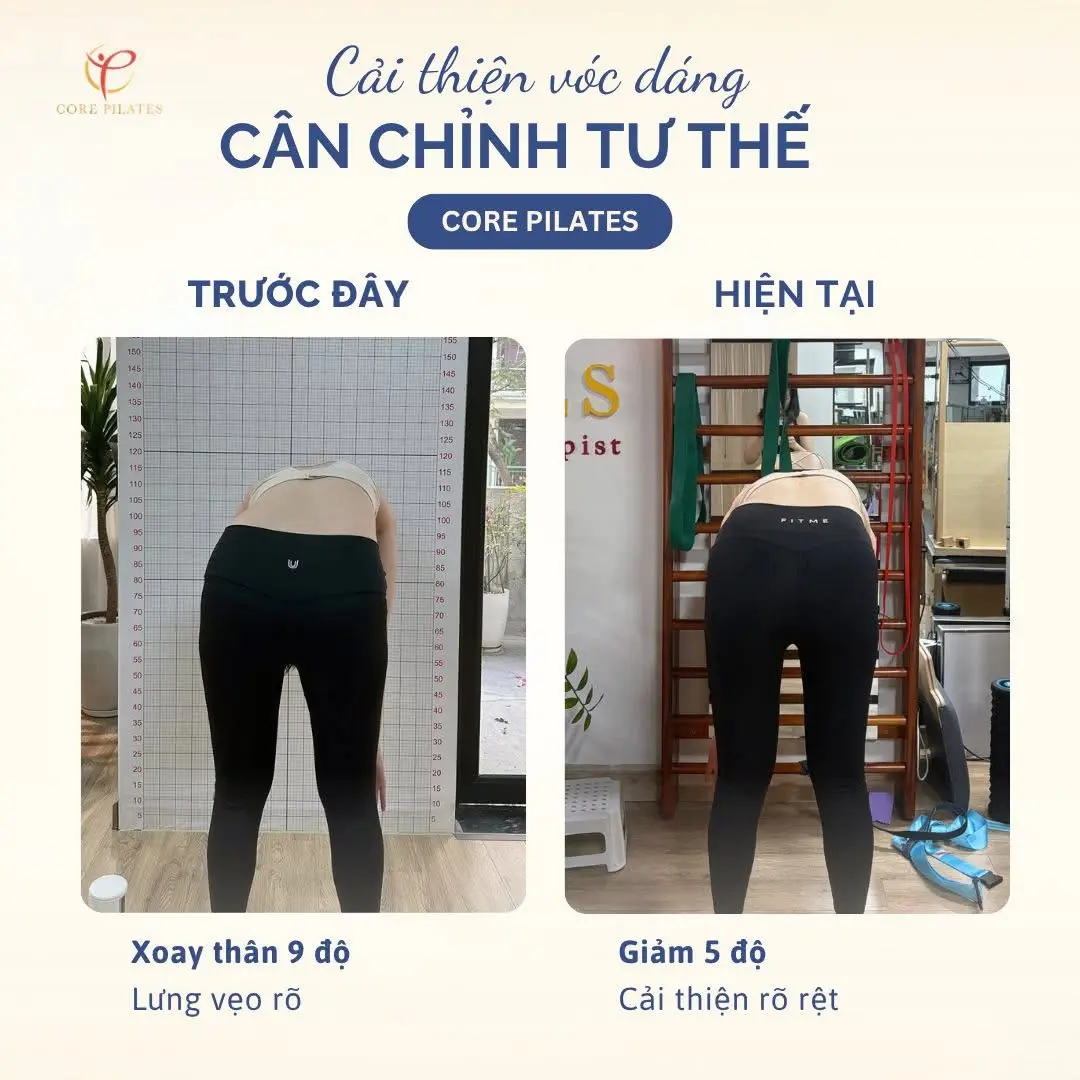
The aim is not to stretch as much as possible, but to develop controlled movement suited to your body.
4. Improving postural awareness
One feature of Pilates is learning to pay attention to how your body moves.
You may begin to notice:
- Where is your head positioned?
- Are your shoulders raised?
- How are you positioning your back?
- Are you shifting your weight to one side?
- Which muscles are actually working during a movement?
This awareness may help you take a more active role in adjusting your everyday movement habits.
How should office workers with neck and shoulder discomfort begin Pilates?
If you have been inactive for some time or frequently experience neck and shoulder discomfort, avoid starting with difficult exercises.
Begin with basic movements
Allow your body to become familiar with movement before increasing the challenge.
Prioritize technique over quantity
A movement performed correctly and with control is more valuable than trying to complete many repetitions.
Do not push through pain
You may feel your muscles working or experience mild muscular tension during exercise. Unusual pain or increasing pain should not be ignored.
Start with instructor guidance
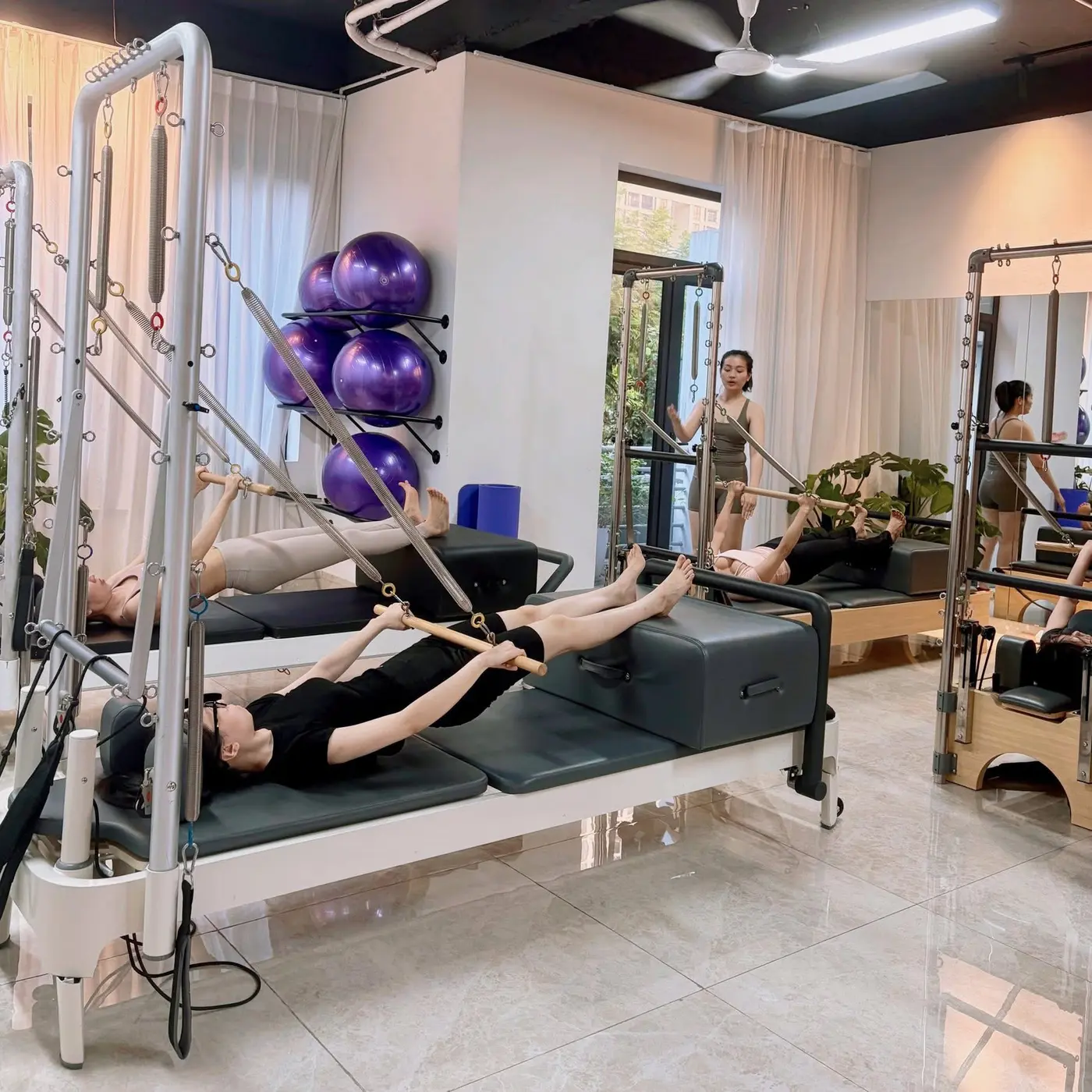
For people with neck and shoulder concerns in particular, an instructor can observe how you move and adapt exercises appropriately.
A Pilates studio for office workers in Ha Dong
If you are looking for Pilates in Ha Dong, consider Core Pilates. Our programs take an applied approach to Pilates, emphasizing movement capacity and body control.
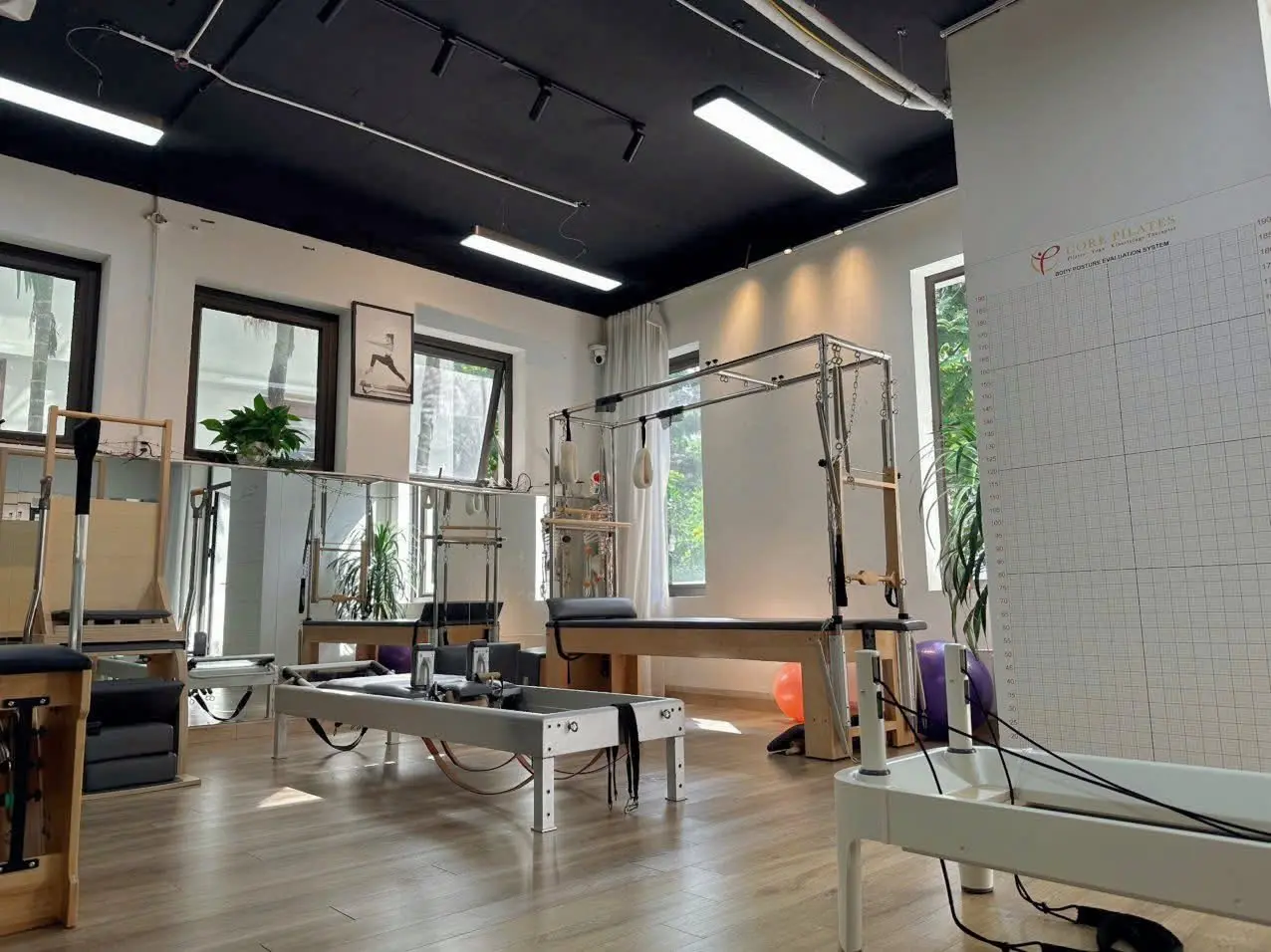
For beginners or people with movement limitations, instructors start with exercises suited to current ability, then gradually adapt and develop the program as training progresses.
Core Pilates offers 1:1, 1:2, 1:3 and 1:4 sessions, allowing members to choose an option suited to their needs and goals.
Address: Floors 2 & 3, Villa L12-17, Zone A, Duong Noi New Urban Area, La Khe, Ha Dong, Hanoi.
Core currently offers a free trial session. Contact us for advice!
Pilates is a form of exercise and does not replace medical diagnosis or treatment. Seek a medical assessment before training if pain persists, worsens rapidly or is accompanied by numbness or weakness in your arms or legs. Further reading: NHS information on neck pain.
Find a suitable class at Core Pilates
Discuss your physical condition, movement history and goals with Core Pilates to receive advice on a suitable program.